

A cardlock fuel site needs storage tank and pollution liability, property for dispensers and card readers, general liability for the drivers who use it, and crime coverage, all built around the fact that no attendant is on site. For comparison, a small attended station’s full program nationwide typically runs $4,000 to $10,000 or more a year, and a larger station’s can run over $15,000; a cardlock site without a store usually carries fewer lines.
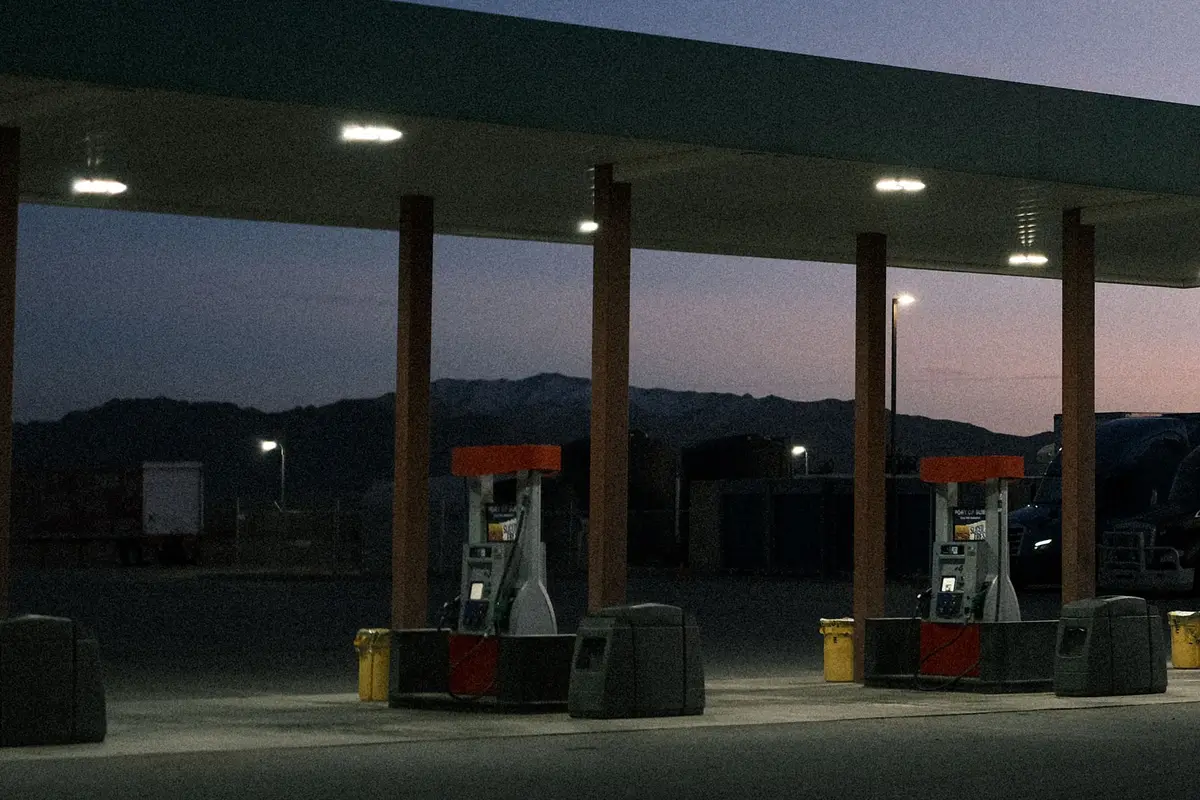
What Makes an Unattended Site Different?
The tanks are the same. The difference is response. At a staffed station, a clerk can hit the emergency stop, call for help, and put out absorbent. At a cardlock site, a spill or a damaged dispenser may go unnoticed until a driver reports it or a monitoring alarm goes off. Underwriters price that gap and ask how the site closes it.
Which Coverages Matter Most?
Storage tank liability meets financial responsibility for regulated tanks. Pollution liability addresses surface spills and other environmental exposure. Property should schedule card readers and site controllers, which are expensive and easy to overlook. General liability handles injuries to drivers. Crime and cyber liability address fuel theft, tampering, and card data.
What About Operator Training?
Federal tank rules define Class A, B, and C operators and their responsibilities, and states carry them out. How those roles are covered at a site with no attendant is a question to settle with your state tank agency. Underwriters will ask, and a clear answer helps.
Illustrative scenario. A hose breaks away at a cardlock site overnight, and a driver leaves without reporting it. Fuel runs across the pad until the morning check. The site’s pollution liability responds to the cleanup. Afterward, the owner adds remote monitoring alerts and posted emergency contact signs, which the underwriter notes at renewal. The scenario is hypothetical and is not a coverage determination.
What Do Underwriters Want to See?
- remote monitoring and alarm response, and who is called;
- posted emergency instructions and shutoff locations;
- tank records, release detection, and inspection reports;
- card access controls and how accounts are approved;
- cameras, lighting, and tamper protection on readers.
Stations that add unattended pumps to an existing site should also read gas station insurance, and fleets that haul fuel should see what insurance a fuel distributor in Texas needs. Cardlock sites are common along freight corridors, including in states like Kansas.
How Do I Get a Cardlock Quote?
Send your site details, tank records, and current policies through the quote form or call 317-942-0549.
The bottom line
A cardlock or unattended fuel site has the same tank and pollution exposure as a staffed station, with no one on site to stop a spill, call for help, or notice tampering. Its program usually centers on storage tank and pollution liability, property for dispensers and card readers, general liability for drivers using the site, and crime and cyber questions around fuel theft and card data. For comparison, a small attended station’s full program nationwide typically runs $4,000 to $10,000 or more a year, and a larger one can run over $15,000; a cardlock site without a store usually carries fewer lines.
Frequently asked questions
What is a cardlock fuel site?
It is a fueling site where approved customers, usually commercial fleets, buy fuel with a card or code at the pump, often with no attendant. Many run around the clock and have no store.
What insurance does a cardlock site need?
Typically storage tank liability and pollution liability, property for dispensers, card readers, and canopy, general liability for drivers using the site, and crime coverage. Cyber coverage is worth a look if the site handles card data.
Is an unattended fuel site harder to insure?
It can draw more questions. Underwriters want to know how spills are detected and handled, who responds and how fast, and how the site prevents tampering and fuel theft. Good answers make the site easier to place.
Do operator training rules apply to unattended sites?
Federal rules define Class A, B, and C operators for regulated tank systems, and states apply them. How those roles are met at an unattended site is a question for your state tank agency.
Does insurance cover fuel theft at a cardlock site?
Crime coverage can address theft, subject to its terms, but losses from fraud and card misuse can fall in different places. Ask how the policy treats stolen fuel, skimming, and unauthorized card use.