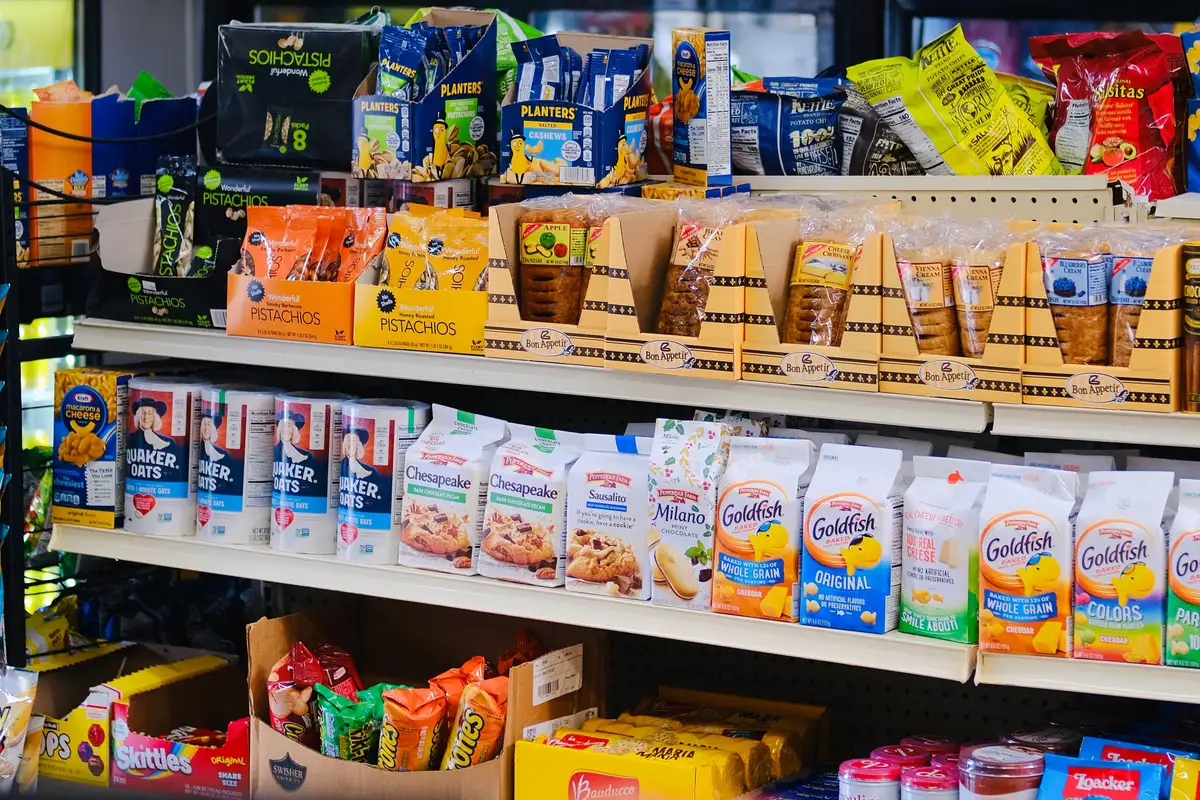
Inventory and business personal property, liquor liability under one of the narrowest liability standards in the country, severe-storm property exposure, refrigeration and spoilage, crime, and workers compensation at five employees.
Nate is a Chartered Property Casualty Underwriter and the founder of Wexford Insurance, LLC. He places convenience store programs across 48 states — inventory and business personal property, the liquor liability the GL form excludes, crime and cash-handling, and the workers compensation that store staffing triggers. Reach him via the Gas Station Guard Insurance quote form or call 317-942-0549.
Last updated · Reviewed by Nate Jones, CPCU
Most states regulate alcohol by deciding what a store may sell. Missouri is notably permissive about that and does its work somewhere else entirely — in what a claimant has to prove. The dram-shop statute records that it has been and continues to be the policy of the state to follow the common law of England, which prohibited dram-shop liability, and then carves out a deliberately narrow exception.
That makes Missouri the state where the interesting question is not what is on your shelves but what a plaintiff would have to establish to reach you. It is a genuinely favorable position, and it is also the kind of position that gets misread into a decision to drop coverage — which is a different thing entirely and a mistake.
Carriers do not underwrite convenience stores as generic retail. The class carries robbery and burglary frequency above strip retail, premises claims that behave more like restaurant claims, refrigeration failures landing on stocked perishables, and the regulatory exposure of age-restricted sales. Missouri adds hail, tornado and ice-storm exposure across a state that sits where several weather systems meet.
This page covers the Missouri store: what moves premium here, what the dram-shop statute actually says and what it does not, the coverage lines in a typical program, the five-employee compensation threshold, the claims we see, and the underwriting realities that decide appetite. Fuel-dispensing sites layer the petroleum lines on top.
48
States licensed (all except Hawaii and Alaska)
20+
Specialty markets in our c-store panel
1–2 hr
Quote turnaround during business hours
C-store
Class-focused agency, not generic retail
What Missouri convenience store insurance costs
We do not publish premium ranges, because a c-store premium is built from the operation rather than a state average. These are the drivers that move the number on a Missouri store.
Hail and severe convective storm exposure: Roof age, covering and canopy construction decide the property conversation across most of the state, and percentage deductibles scale the retained loss to insured value.
Ice storm exposure: Missouri sits where winter systems stall, and ice loading produces canopy, sign and power losses that snow alone does not.
Alcohol volume and hours: A narrow liability standard does not lower severity if a claim does reach you, and volume is what determines whether one might.
Headcount against the five-employee line: The compensation threshold sits at five for a retail operation, which is high enough that stores cross it without noticing.
Prepared food operations: A hot case or deli brings product liability and cooking equipment onto the program and widens the injury pattern.
Corridor position and traffic type: The interstate network through Missouri carries substantial through traffic, which changes both the premises and the crime profile against a neighborhood site.
Protective safeguards: Camera coverage, drop safes and lit entrances feed the crime rating, particularly on corridor stores keeping long hours.
The question is what a claimant has to prove
Missouri Revised Statute 537.053 carries the title “Sale of alcoholic beverage may be proximate cause of personal injuries or death — requirements — (dram shop law).” It opens by recording that it has been and continues to be the policy of this state to follow the common law of England, under which the furnishing of alcohol was not treated as the proximate cause of injury and dram-shop liability was prohibited.
Against that background the statute creates a narrow exception. A cause of action may be brought against a person licensed to sell intoxicating liquor by the drink for consumption on the premises where that person sold to a minor, or knowingly served intoxicating liquor to a visibly intoxicated person. Either route must be established by clear and convincing evidence that the seller knew or should have known.
The statute even defines the threshold it is measuring. “Visibly intoxicated” means inebriation to such an extent that the impairment is shown by significantly uncoordinated physical action or significant physical dysfunction — a standard directed at what a server could actually observe, not at what a blood test later reveals.
Two things follow, and they pull in opposite directions. The first is that Missouri is a comparatively hard place to bring this kind of claim, and that is real. The second is that the statute is written around on-premises, by-the-drink licensees, which is a different business from an off-premises convenience store — so the provision that makes Missouri favorable is not simply a shield you can assume covers your position. Whether and how it applies to an off-premises seller is a legal question, and it is not one an insurance page should answer for you. Carry the liquor liability line: a narrowed statutory standard is not the only route by which a claim arrives, and the cost of the coverage is small against the cost of being wrong about its scope.
Coverage lines for a Missouri convenience store
Property and business personal property: Building if owned, plus inventory, coolers, shelving, POS hardware, signage and canopy. Hail drives the conversation, with ice loading a second seasonal peril.
General liability: Third-party injury and property damage on the sales floor, at the entrance and across the lot, including winter surface conditions.
Liquor liability: The general liability form excludes alcohol-related bodily injury and property damage. A narrow statutory standard makes a claim harder to bring; it does not make the exclusion in your general liability form go away, and it does not decide how the statute applies to an off-premises seller.
Crime and employee dishonesty: Money and securities, robbery, burglary and employee theft, with corridor sites accumulating faster between deposits than a neighborhood store.
Spoilage and equipment breakdown: The failed unit and the stock behind it, as separate agreements — and an ice storm outage takes both at once.
Cyber liability: Card compromise at the register and the pump, ransomware, and the interruption that follows an outage.
Workers compensation: Statutory coverage at five or more employees for a retail operation, with an election available to employers below the threshold.
Workers compensation for Missouri store employees
Missouri requires workers compensation coverage from employers with five or more employees. The construction industry is the exception in the other direction — there the requirement begins at one employee — but for a retail operation such as a convenience store the threshold is five.
Five is a high enough number that stores cross it without a moment that feels like a decision. A site with a manager, two full-time clerks and a pair of weekend part-timers is over the line, and the addition that took it there was probably the least significant hire of the year. The count is worth checking against the roster deliberately rather than against an impression of how big the store is.
Employers below the threshold, or with employees in exempt categories, may nonetheless elect to come under the law by purchasing and accepting a valid policy or endorsement. That election is worth considering rather than dismissing: without it, an injury to a fourth employee at a four-person store is an uninsured liability handled outside the compensation system, and the store carries whatever a court decides rather than a scheduled benefit.
Missouri convenience store claims we see
Hail damage to roof, canopy and rooftop units
The most frequent large property claim in the state. Percentage deductibles mean the retained amount scales with insured value, and cosmetic damage exclusions decide how much of a dented roof actually pays.
Ice storm loading on canopy and signage
Accumulation on structures that were designed for wind rather than weight, frequently arriving with an extended power outage behind it.
Extended outage taking the perishable assortment
The building is intact and the coolers are not. Spoilage and business income carry that loss; the property form does not see it.
An alcohol claim brought anyway
A narrow standard raises what a claimant must prove; it does not stop the claim being filed or the defense being paid for. Liquor liability responds to the defense as well as the outcome.
Injury at a store that just reached five
The threshold was crossed by a weekend hire nobody thought of as significant. Below five and without an election, the injury is handled outside the compensation system entirely.
Robbery on a corridor site at night
Through traffic changes the crime profile, and the clerk injury and closure typically cost more than what was taken.
The Missouri c-store risk profile
Missouri sits where several weather systems meet, and its property risk reflects that. Hail is the dominant peril across most of the state, with tornado exposure through the same corridors and ice storms arriving in winter to load canopies and signage that were engineered for wind. A schedule spread across the state carries all three rather than choosing between them.
The trade profile splits between the St Louis and Kansas City metros, the interstate corridors that connect them, and a large rural remainder. Corridor stores see through traffic with a transient crime pattern and higher customer counts; rural sites see settled trade, longer distances and a business income exposure that runs well beyond what the property schedule suggests.
The alcohol layer is favorable and frequently misunderstood. The statute makes a dram-shop claim genuinely hard to establish, which is worth knowing and worth valuing. It does not follow that the exposure is gone: the general liability form still excludes alcohol-related injury, defense costs still fall somewhere, and the statutory language is directed at on-premises sellers rather than at a store selling packaged goods to go. Favorable is not the same as absent.
Why Missouri c-store owners work with Gas Station Guard Insurance
We place convenience store programs across 48 states and write Midwest petroleum and c-store risks routinely, so a Missouri submission carries roof age and covering, canopy construction, corridor position and traffic type, alcohol volume and hours, and a headcount stated against the five-employee threshold rather than an impression of store size.
As an independent agency we place to carriers with appetite for the class rather than to a single company, which matters in a hail market where loss history alone narrows the field. Where a Missouri store sits behind a forecourt, the petroleum and retail lines are written as one program.
Missouri convenience store insurance FAQs
Is Missouri a dram shop state?
Only narrowly. Revised Statute 537.053 records that the policy of the state is to follow the common law of England, which prohibited dram-shop liability, and then creates a limited exception for licensees who served a minor or knowingly served a visibly intoxicated person — provable only by clear and convincing evidence that the seller knew or should have known.
What does “visibly intoxicated” mean in the statute?
The statute defines it: inebriation to such an extent that the impairment is shown by significantly uncoordinated physical action or significant physical dysfunction. It is aimed at what a person selling could actually observe at the time, rather than at what a later test might show.
Does that mean my off-premises store has no exposure?
That is not a conclusion we will draw for you, and you should be cautious of anyone who does. The statutory cause of action is framed against licensees selling by the drink for consumption on the premises, which is a different business from a store selling packaged goods to go. How the provision applies to an off-premises seller is a legal question for counsel, not an insurance page.
So should we still carry liquor liability?
Yes. Three reasons. Your general liability form excludes alcohol-related bodily injury and property damage regardless of what the dram-shop statute says. A hard standard does not prevent a claim being brought, and defense costs land somewhere. And the scope question above is genuinely open. The premium is small measured against being wrong about any of the three.
How many employees before we need workers compensation?
Five, for a retail operation. Construction is the exception in the other direction at one employee. Five is high enough that stores cross it on a weekend hire without registering it as a threshold moment, so it is worth checking against the actual roster.
We have four employees. Can we buy coverage anyway?
Yes, and it is worth weighing. Employers below the threshold may elect to come under the law by purchasing and accepting a valid policy or endorsement. Without that election, an injury at a four-person store is handled outside the compensation system, which means whatever a court decides rather than a scheduled benefit.
Why is our hail deductible a percentage?
Because wind and hail are commonly written that way here, so the retained loss scales with insured value rather than sitting at a flat figure. Many policies also carry a cosmetic damage exclusion, which decides how much of a dented but functional roof pays. Both are worth reading before storm season rather than during it.
Does a standalone Missouri c-store need pollution coverage?
Not usually, where there is no fuel dispensing and no storage tank on site. Pollution and storage tank liability are petroleum lines. A standalone store carries the retail stack described here without them, which is part of why standalone and fuel-attached stores go to different carrier panels.